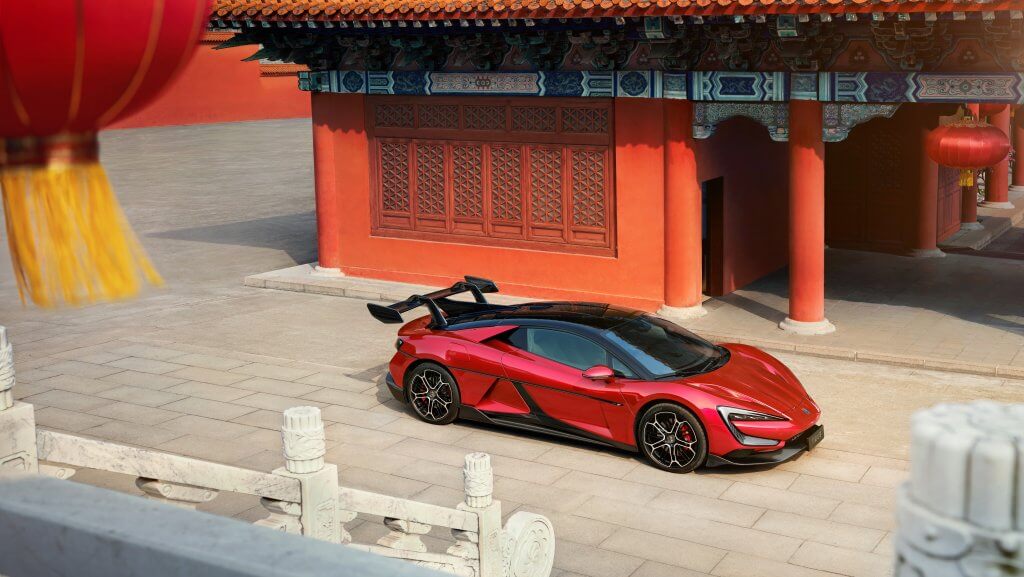
In recent years, BYD has been steadily gaining momentum. In 2025, the Chinese automaker even had the luxury of dethroning Tesla, pushing the Californian brand long considered the ultimate reference in electric vehicles into second place. For 2026, BYD has no intention of slowing down and is preparing to set new records.
From a Small Local Brand to a Global Giant
Contrary to popular belief, BYD (Build Your Dreams) is not a brand that appeared overnight. Founded in 1995 under the leadership of Wang Chuanfu, it initially specialized in battery manufacturing before moving into the automotive sector.
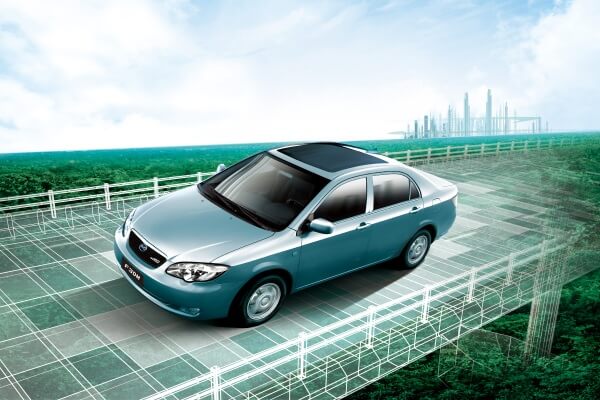
Very quickly, BYD became a pioneer in many areas. The F3DM sedan, introduced in 2008, was the first plug-in hybrid car aimed at the general public. A few years later, this technology was adopted by numerous manufacturers and even equipped vehicles bearing prestigious brands such as Porsche and Bentley.
By the late 2010s, BYD took a new direction by targeting the European market. To maximize its chances of success, the brand set a high bar with cars that were highly refined both aesthetically and technically. On top of that, it offered unbeatable prices and electric ranges above the average.
Global sales reflect this enthusiasm, rising from 521,761 vehicles sold in 2010 to 4,602,436 in 2025. To maintain this momentum, BYD focuses on the continuous launch of new models, each more appealing and innovative than the last. Everything suggests that 2026 could be an exceptional year in terms of commercial performance!
Growth with No Limits
BYD has become one of the most sought-after brands in Europe, regularly securing a spot on the electric vehicle sales podium.
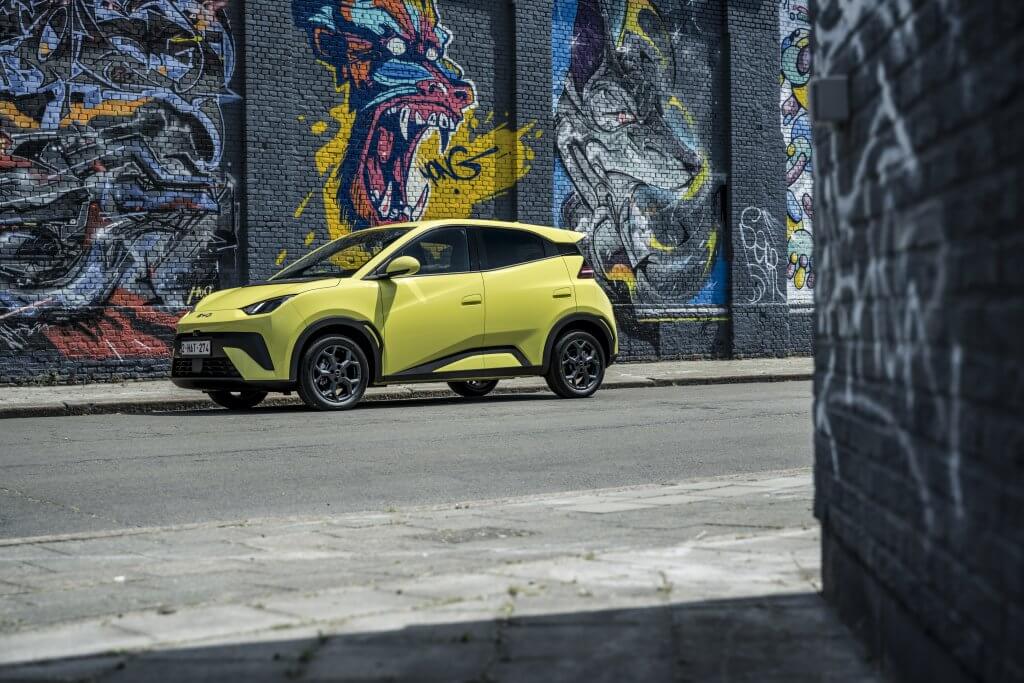
To achieve such performance, the brand adopted a simple strategy, often overlooked by some manufacturers: designing the right cars tailored to the needs and expectations of each market, all while offering the best value for money. The Dolphin Surf is a perfect example. This small 4-meter electric city car, designed for Europe, can travel up to 322 km on the WLTP cycle thanks to its 43.2 kWh battery.
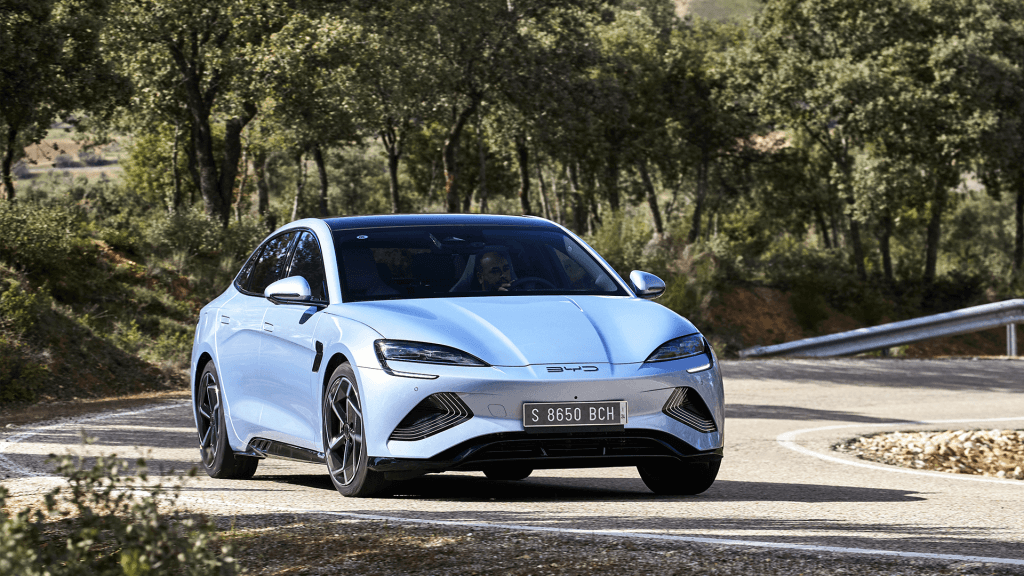
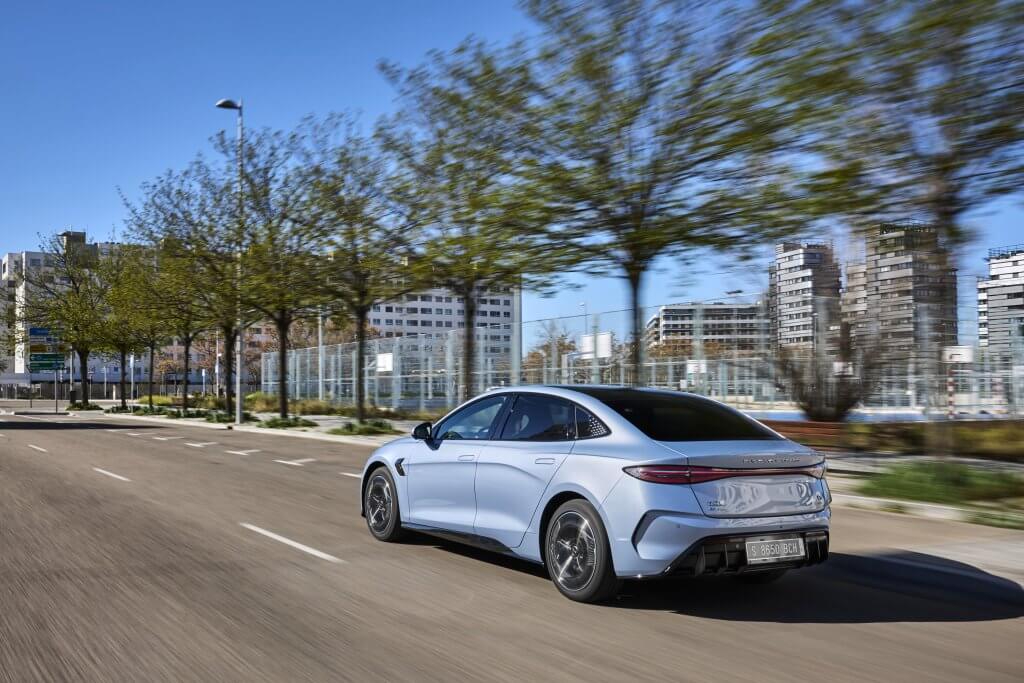
The Seal also exemplifies this strategy. This sporty electric sedan draws its design inspiration from the Porsche Taycan, a formidable benchmark! BYD has no intention of slowing down and is considering entering the American market. In the land of Uncle Sam, the brand already sells electric buses, trucks, and forklifts, but not yet passenger cars.
The potential is therefore considerable. BYD has repeatedly demonstrated its ability to adapt to local specifics, with North America showing strong demand for SUVs and large sedans. California stands out as one of the most promising markets in the country. Households enjoy significant purchasing power, and the state encourages the adoption of electrified vehicles through numerous tax incentives.
If BYD succeeds in establishing itself across the Atlantic, Tesla could face another setback, this time being challenged on its own turf.
Tesla, the Master Now Behind the Pupil
If there’s one automaker that views BYD’s success with concern, it’s Tesla and for good reason! In a very short time, the Silicon Valley brand has been significantly outpaced by its Chinese competitor. Long mocked in Elon Musk’s statements, BYD now seems to be giving him serious headaches, offering cars that are cheaper to buy while often providing better performance and higher levels of equipment.
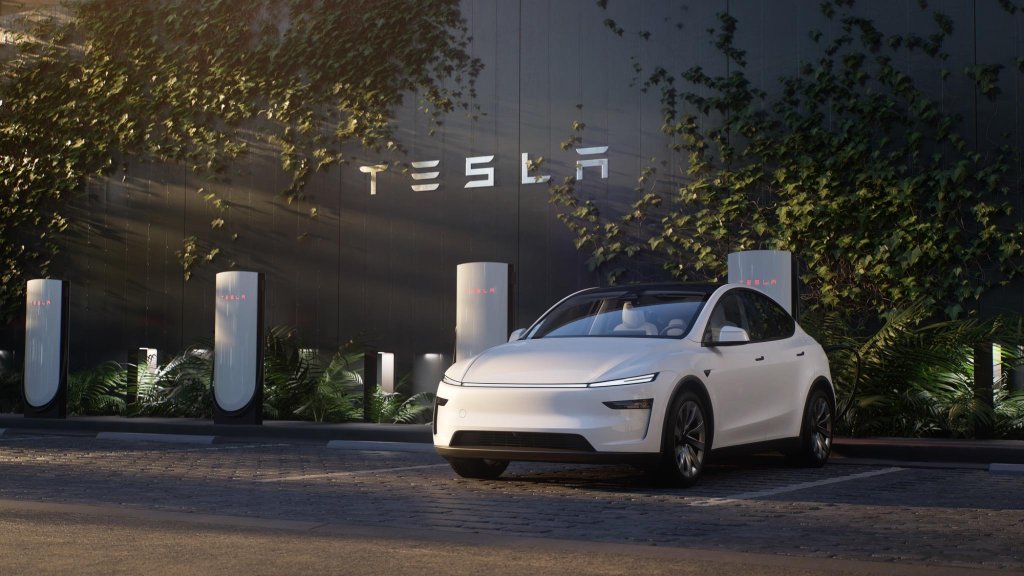
In response to this meteoric rise, Tesla attempted to strike back in early 2025 with a facelift of its best-selling Model Y. With a refreshed design and improved range, it was meant to turn things around. But despite efforts on pricing and the launch of s Standard version of the Model Y later in 2025, the American company was unable to close the gap.
Will Tesla be able to reclaim its position as leader, or will it remain just a challenger trailing behind BYD ? The answer will come at the end of the year!